


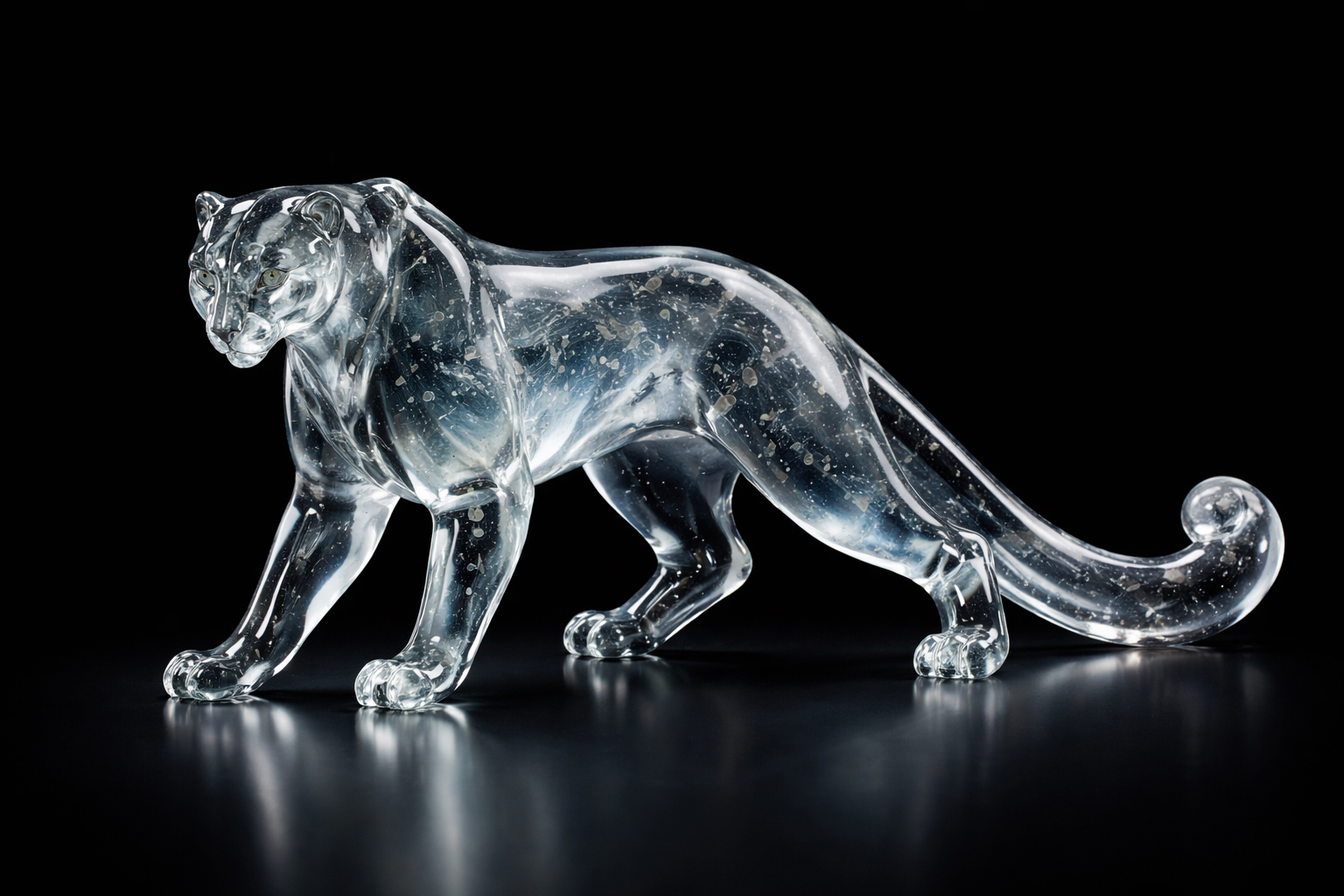

The Snow Leopard (Panthera Uncia) is one of the world’s most elusive and captivating big cats. Native to the highland plateaus and cold desert of central Asia, it rules over stark landscapes shaped by rock, snow, and silence. Graceful, solitary, and superbly adapted to life at extreme elevations, the snow leopard has become a global symbol of resilience, mountain biodiversity, and untouched wilderness. Snow leopards inhabit the rugged mountain ranges of the Himalayas, Pamirs, Altai, and Tien Shan, typically between 9,800 and 18,000 feet above sea level.
In these vast highland plateaus, vegetation is sparse and temperatures shift dramatically between day and night. The cat uses ridgelines and cliffs as vantage points, scanning from above before launching swift, calculated ambushes. In the cold desert ecosystems of Central Asia, defined by scree slopes, wind-carved valleys, and barren terrain, its smoky gray coat patterned with dark rosettes provides near-perfect camouflage. An opportunistic predator, the snow leopard hunts ibex, blue sheep, wild goats, and smaller mammals, adjusting its seasonal range based on prey movement.
Its long, thick, muscular tail serves multiple purposes: balancing across sheer cliffs, stabilizing powerful leaps, and wrapping around its body for warmth in freezing conditions. These adaptations make the snow leopard one of the most specialized predators in high-altitude mountain ecosystems. A solitary and highly territorial cat, the snow leopard roams enormous ranges, communicating through scent marking and scratch signs along rocky pathways. It is most active at dawn and dusk, when the angled mountain light enhances its almost ghostlike presence. Compact yet powerfully built, with strong hind legs and a broad chest, it is capable of remarkable vertical leaps across steep rock faces. Where snow leopards thrive, the mountain ecosystem remains intact. Their presence is widely regarded as an indicator of environmental health in fragile alpine habitats.

Reimagining the snow leopard as a Murano glass sculpture means capturing its essence rather than replicating its anatomy. The form could be shaped in opalescent lattimo glass with soft pearl-gray tones fused directly into the molten material. The rosette patterns might appear as subtle internal shadows achieved through traditional “sommerso” layering techniques. Its sweeping tail would become a fluid structural line, balancing the composition with quiet movement. The final piece would feel refined, luminous, and restrained, an artistic tribute to high mountain silence expressed through transparency and light.
In Tibet, Nepal, and Mongolia, the Snow Leopard is often regarded as the guardian of the mountains. It represents purity, spiritual strength, independence, and harmony with extreme natural environments. Today, it also stands as an international symbol of wildlife conservation and the protection of fragile mountain ecosystems.

This Murano Glass Snow Leopard is a Concept Art piece from the Animals species. (Mammals)
The Snow Leopard inhabits biomes such as: Cold Desert, Highland Plateaus. See all (Biomes).

Leave a Reply